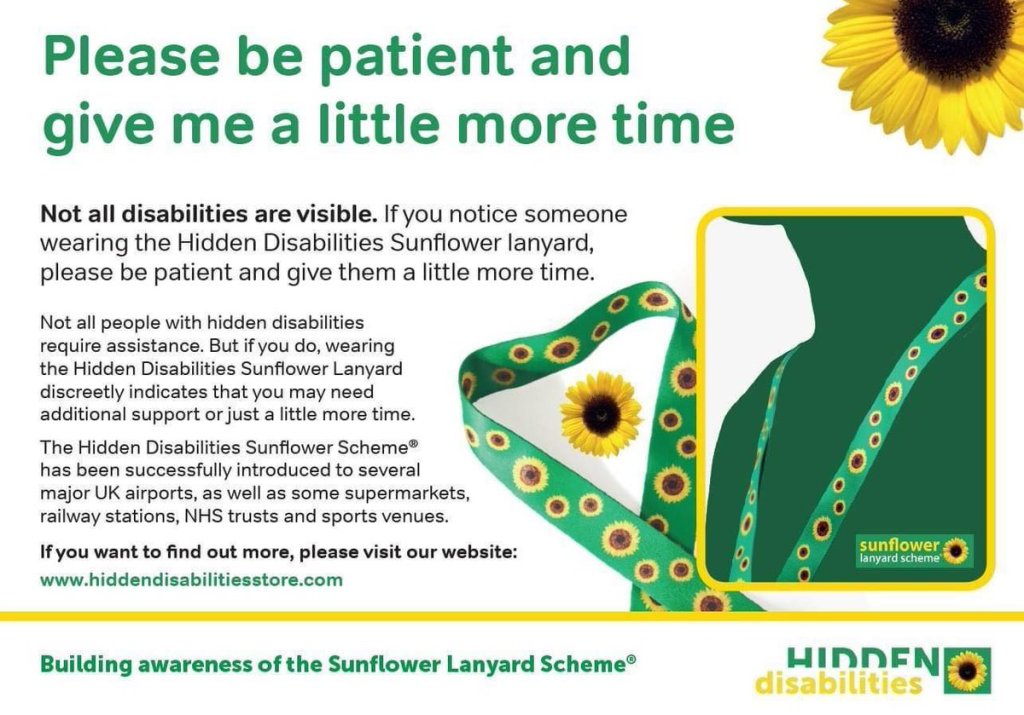
Over the years, I have learned things on our journey and I would like to share some with you. From both professional and personal involvement with speaking to professionals about the practical ways to support children with additional needs. I am sharing these things with you in the hope that it could help you and your families. These are just a few of the main things that I have found most helpful and some have been recommended by professionals.
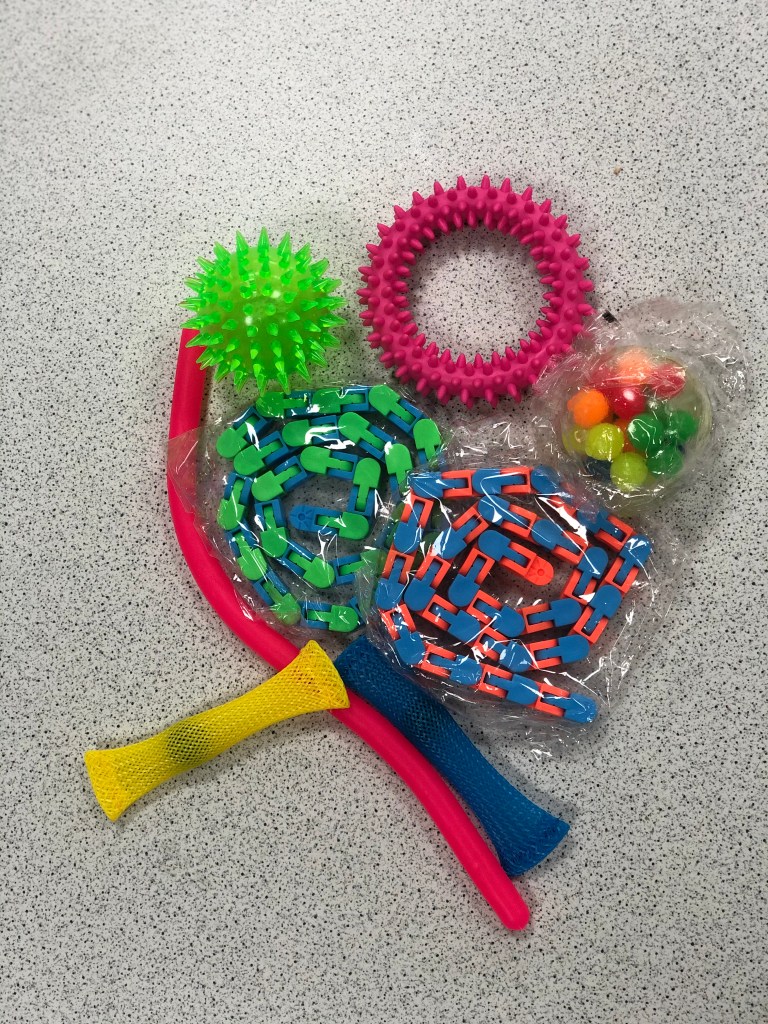
Sensory toys / Fidget toys
For some children/young adults with special needs, they can often find comfort with fidget or sensory toys. These are just a few that I often give to the children I work with, carpet time and assemblies can become less stressful.
Every sensory experience is different for each individual, however by just distracting their hands can lead to them paying attention to a task.
Sensory Processing Disorder (SPD) is a diagnosis-able condition that involves how the brain processes sensory information/stimuli. Sensory information/stimuli includes all of your senses, sight, hearing, smell, touch and taste. SPD can affect one or all of an individual’s senses. Sensory processing disorder generally means that an individual is sensitive to stimuli that other people are not sensitive to.
Sensory and fidget toys can be purchased online or from the high street, there is always new and attractive toys on the market regularly.
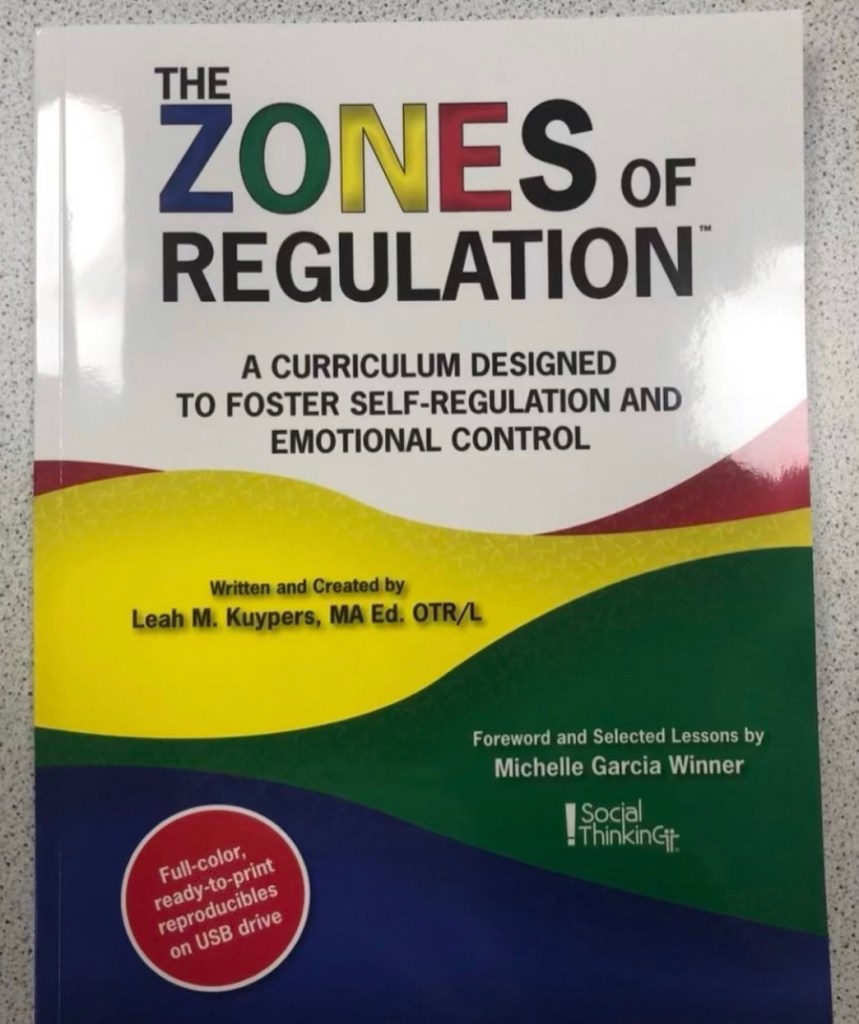
The Zones of Regulation
Written and Created by Leah M. Kuypers, MA Ed. OTR/L.
For many children/young people with additional needs, self-regulation and emotional control can be difficult.
Emotional regulation gives an individual the capacity to exert control over their emotional state. It at times, involves reworking a challenging or stressful situation that causes you to experience stress or anger. You develop techniques to reduce anger, frustration and other emotions that can have a negative impact on you. The aim is to work your way back to emotions that have a positive impact, on the individual and focuses on reasons to feel calm or happy.
The book runs on a colour theme, that relates to the different emotions an individual may experience.
Red Zone – Anger, feeling out of control, being terrified and mad.
Yellow Zone – Feeling upset, scared, silly, embarrassed or worried.
Green Zone – Feeling happy, calm, okay, proud or ready to learn.
Blue Zone – Feeling sad, sick, bored, tired or moving slowly.

The New Social Story Book
By Carol Gray.
This fantastic book helps/aids you to write a social story for children and young adults with different conditions.
On the day that my son got his diagnosis with autism, his paediatrician advised me to purchase this book and it has been so helpful throughout the years.
The aim of a social story is to share accurate social information, in a patient and reassuring manner that is easy to understand.
These are the three core concepts:
Descriptive – who is involved, where it occurs and what they are doing and why.
Perspective – describe how others feel and react in a given situation.
Directive – describe the responses and actions the individual should try to do in the situation.
A social story can be made up of words, symbols and pictures. It can be a positive way to improve an individual’s understanding. You can find many examples online for a variety of situations.